The Magic of Oak
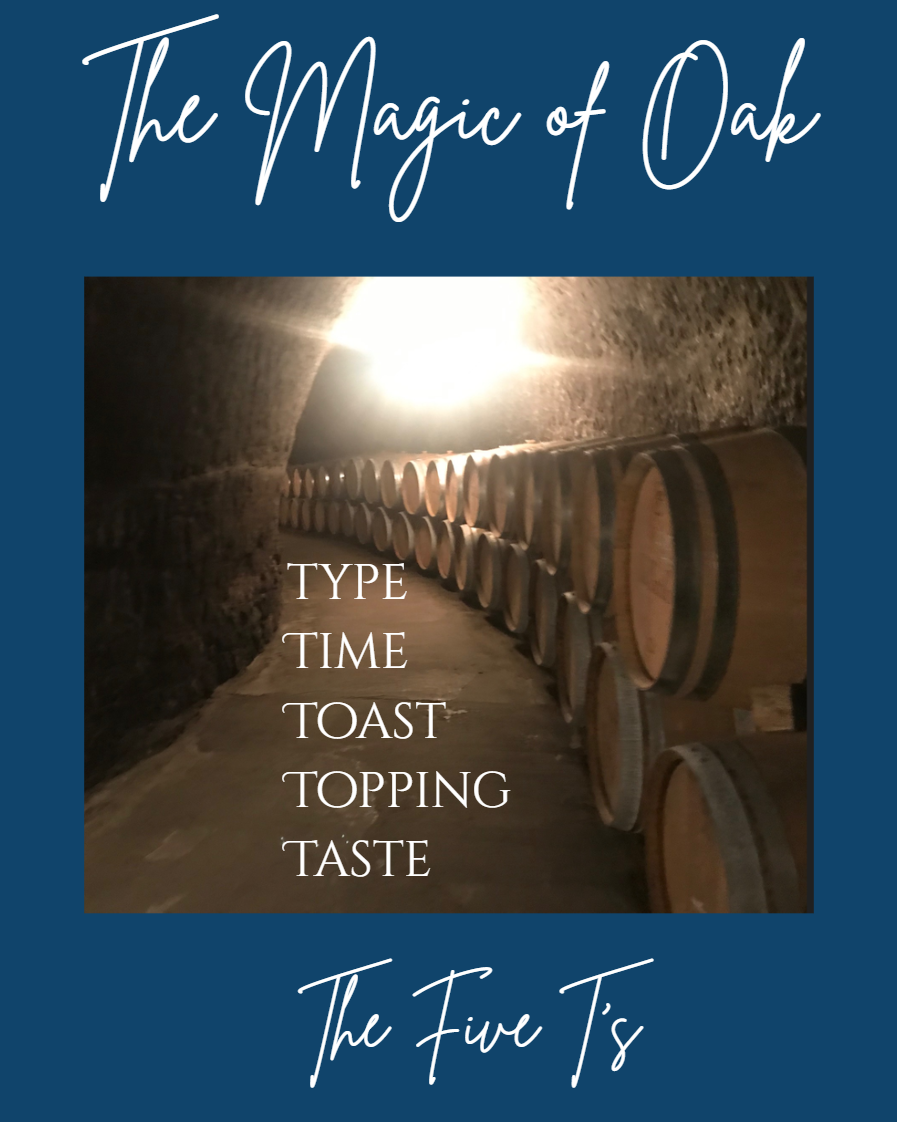
When you pour a glass of our Pinot Noir, you’re tasting far more than grapes and terroir. One of the quiet yet most influential forces shaping the wine is oak—how old it is, how it’s toasted, and how the wine is cared for while resting inside it.
I like to think of this as the Five T’s: Type, Time, Toast, Topping, and Taste.
Type
French Oak (tight grain) Elegant and subtle, with a tight grain that releases flavor slowly. Adds gentle spice, vanilla, cedar, and fine-grained tannin—ideal for Pinot Noir and wines focused on finesse.
American Oak (wide grain) More expressive and bold, with a wider grain and faster extraction. Contributes vanilla, coconut, sweet spice, and a richer oak presence—best for fuller-bodied wines.
Hungarian & Eastern European Oak (medium grain) A middle ground between French and American styles, with medium grain. Offers baking spice, structure, and texture with less overt oak flavor—well suited for balanced, terroir-driven wines.
Why it matters Grain size affects how quickly oak compounds are released and how oxygen interacts with the wine. The goal is harmony—using oak to support the wine, not overshadow it.
Time
Time in barrel determines how much influence oak has on a wine’s structure and texture, and this is closely tied to the age of the barrel itself. New oak—a barrel being used for the first time—has the strongest impact and can shape a wine quickly. Used judiciously, it adds structure and complexity; pushed too far, it can overwhelm Pinot Noir with excess tannin or heavy wood character. Precision and restraint are essential.
As barrels age, their potency diminishes and they become what winemakers call neutral oak. While neutral oak contributes little overt flavor, it still plays an important role by allowing the wine more time to develop tannin integration, texture, and harmony without masking its natural fruit and site expression.
Toast
Toast level refers to how intensely the inside of an oak barrel is heated during coopering. That heat transforms raw wood into the aromas and textures we recognize in barrel-aged wine.
Light toast preserves natural wood character, adding subtle spice, cedar, and structure with minimal sweetness—best for delicate wines where vineyard expression leads.
Medium toast is the most balanced and widely used, contributing vanilla, baking spice, gentle toast, and roundness without overpowering fruit—ideal for Pinot Noir .
Medium-plus toast brings richer notes like cocoa, caramel, and roasted nut, adding depth and mid-palate weight when used sparingly.
Heavy toast produces smoky, coffee, and charred flavors with a bold aromatic imprint, and is rarely used for Pinot Noir due to its delicacy.
Topping
As wine ages in barrel, a small amount naturally evaporates through the wood—often called the angel’s share. This creates empty space at the top of the barrel.
Topping off means regularly refilling that space with the same wine to keep the barrel full. This is essential for controlling oxygen exposure, preventing microbial spoilage, and preserving freshness and balance. While it isn’t glamorous cellar work, topping is one of the most important ways a winemaker protects a wine as it ages.
Taste
Wine is alive in barrel. Regular tasting allows us to follow how fruit, oak, tannin, and texture are evolving in real time. It ensures oak remains integrated, helps catch issues early, and guides decisions around racking, blending, and bottling.
The most important choices in winemaking aren’t made by the calendar—they’re made when the wine tells us it’s ready.
I am excited for you to try our Pinot Noir side by side to note the differences that the variations of oak have on each.
2021 Pinot Noir - 12 months on new French oak
2022 Pinot Noir - 16 months ; 50% new, 50% 2 year French oak
2023 Pinot Noir - 20 months neutral French oak